

Insight: organic trust lives in records you can trace
Organic systems keep records for five years so that a bag of grain can be traced back through every step.
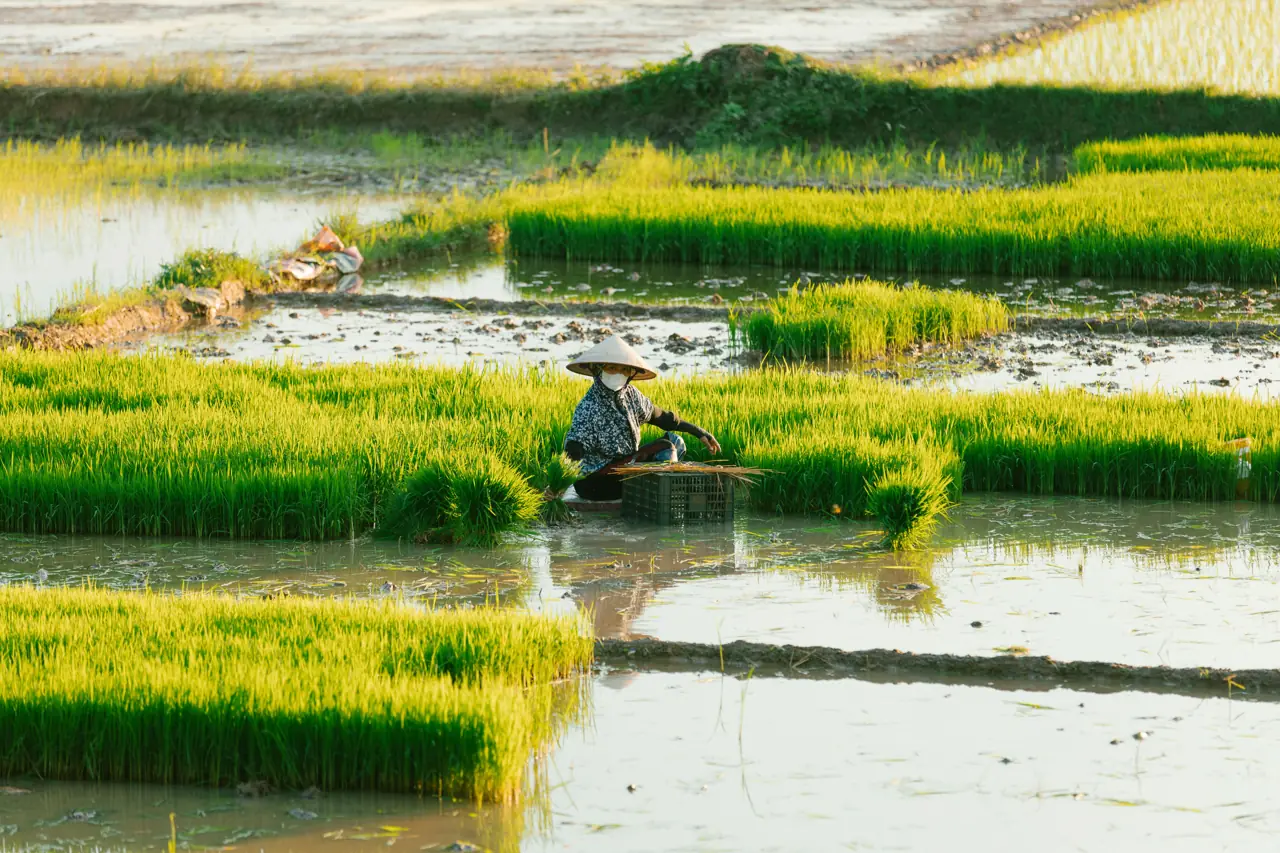
Ask where a bag of rice came from, which year it was produced, and who handled it along the way. The answer has to be in a written record, because a certifier or a customer cannot check memory.
What the records cover
Organic rules require records to be kept for five years. They start with the seed and continue through the fertiliser, the care of the plot and the movement of the crop from one place to the next. Because each step is written down, a product can be traced back through all of them.
Why this matters to buyers
A claim on a label is easy to print. A record has to be produced, read and compared with what was delivered. That is why organic trust rests on documents that can be checked, and why partners and customers ask Pongpetch about traceability every day.
Pongpetch buys certified organic raw materials from partners who grow and mill them, and delivers to order.
A simple habit when choosing organic
When you pick an organic product, look at what can be traced back. Can the producer show where it was grown, when, and how it travelled? If the answer is in records and not in advertising, you have something you can verify.
First published on the Pongpetch Facebook page.